
What Is Bacteroides uniformis? The Gut Microbe Behind Digestion, Immunity, and Metabolic Health
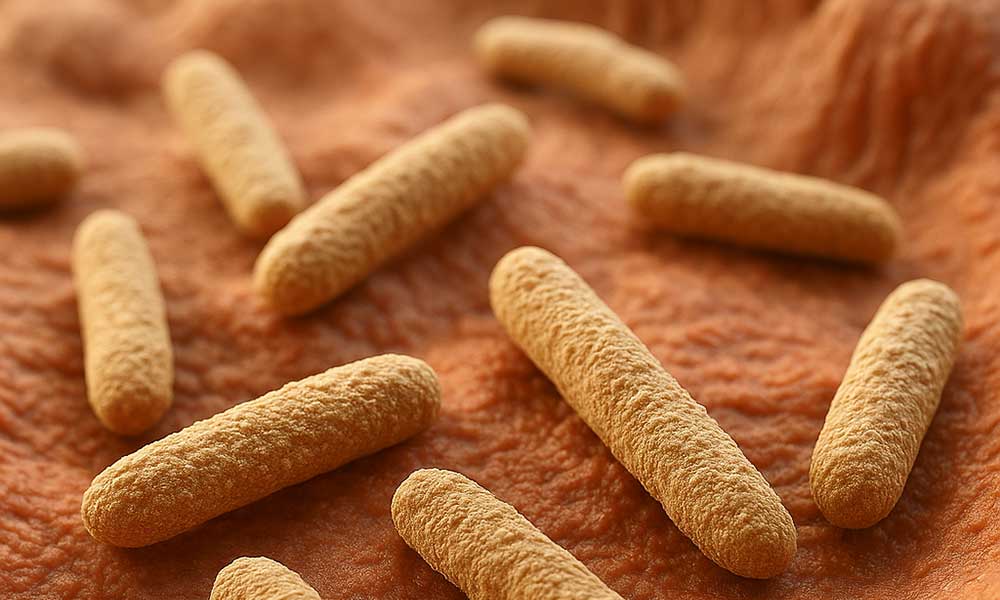
Bacteroides uniformis is an anaerobic, Gram-negative organism that lives in the human large intestine and plays a central role in polysaccharide breakdown, lipid digestion, and immune regulation. It belongs to the phylum Bacteroidota (formerly Bacteroidetes) and ranks among the most abundant species in the gastrointestinal tract of healthy adults. Understanding what this microbe does starts with its ability to break down complex carbohydrates that human enzymes cannot touch.
This species thrives in oxygen-free environments deep in the lower gut. It works alongside other commensal bacteria to convert fiber into short-chain fatty acids like propionate and acetate. Those metabolites fuel the cells lining the intestinal wall, support barrier function, and send chemical signals that influence the immune system far beyond the digestive tract itself.
Why B. uniformis Matters for Human Health
B. uniformis has gained attention in clinical research because of its measurable effects on inflammation, energy regulation, and microbial balance. Scientists studying the safety and microbiota effects of this organism have found that higher relative abundance of the species correlates with lower rates of dysbiosis and better digestive outcomes.
Three findings stand out from recent studies:
- In mouse models, a well-studied isolate reduced obesity-related inflammation by modulating lipid pathways and improving intestinal permeability.
- Patients with ulcerative colitis often show reduced levels of this species in stool samples, suggesting it plays a protective role against inflammatory bowel disease.
- The organism activates regulatory T cell pathways, which help the immune system distinguish between harmless food antigens and genuine pathogens.
One mistake many health writers make is lumping all gut microbiota into a single “good or bad” category. Reality is more nuanced. B. uniformis is a commensal organism, meaning it benefits from living inside us while providing services in return. That mutualism breaks down only when the broader ecosystem is disrupted, a state known as dysbiosis.
How This Bacterium Functions Inside the Gastrointestinal Tract
The primary job of this species is polysaccharide degradation. It produces a suite of carbohydrate-active enzymes that break complex plant fibers, resistant starch, and other food ingredients into simpler sugars. Those sugars then undergo anaerobic processing, producing short-chain fatty acids that serve as energy sources for intestinal epithelial cells.
Here is the step-by-step breakdown of its process:
- Attachment. The organism binds to undigested polysaccharides using outer membrane proteins.
- Enzymatic hydrolysis. Specialized enzymes cleave glycosidic bonds, releasing oligosaccharides.
- Anaerobic conversion. The resulting sugars are processed without oxygen, producing propionate, acetate, and other metabolites.
- Metabolite distribution. Short-chain fatty acids are absorbed by the intestinal lining or enter the circulatory system, influencing the liver, adipose tissue, and immune cells throughout the body.
This process doesn’t happen in isolation. Members of the Bacteroides spp. family often cooperate in breaking down different carbohydrate structures. B. uniformis excels at degrading complex plant cell wall polysaccharides that many other gut microbes cannot access.
The interaction between this organism’s activity and lipid compound levels is particularly significant. Research published in npj Biofilms and Microbiomes showed that it can inhibit Th17 differentiation and ameliorate intestinal inflammation in animal models. Modified lipid compounds act as signaling molecules, and changes in their composition affect both local inflammation and systemic immune tolerance.
The Role of B. uniformis in Lipid and Digestive Compound Processing
Processing of digestive compounds is one of the most studied aspects of this species. The liver produces primary compounds that travel to the intestine to aid fat digestion. Once in the lower gut, bacteria transform these primary compounds into secondary forms through deconjugation and dehydroxylation reactions.
This organism contributes to that transformation in measurable ways. Studies using 16S rRNA gene sequencing have identified it as a key player in this conversion pipeline. The secondary compounds it helps produce have downstream effects on:
- Immune signaling. Secondary compounds activate the farnesoid X receptor (FXR) and TGR5 receptor, both of which modulate inflammatory cytokine production.
- Pathogen resistance. Certain compound profiles create an environment hostile to pathogenic bacteria like Clostridioides difficile.
- Energy regulation. Signaling from these compounds influences glucose homeostasis and lipid metabolism in the liver.
The connection between intestinal microbiota and compound levels has direct clinical implications. When antibiotic use depletes beneficial species like B. uniformis, these profiles shift, potentially increasing susceptibility to infection and inflammation. This is why researchers at institutions like the National Institutes of Health continue to fund studies exploring how genomic insights from this organism might lead to targeted therapies.
Is Bacteroides uniformis Good or Bad?
The short answer: it’s predominantly beneficial, but context matters. In a healthy gut microbiome, this species supports digestion, produces essential metabolites, and helps regulate immune responses. The amount of B. uniformis in your gut correlates with fiber intake and overall diversity.
Situations where it can become problematic are rare but documented:
- Extraintestinal infections. Like other members of the genus, it can cause abscess formation or bacteremia if it enters the bloodstream through a compromised intestinal barrier. This is uncommon in healthy individuals.
- Antimicrobial resistance. Some variants carry beta-lactamase genes, which confer resistance to certain antibiotics. This matters clinically when treating anaerobic infections caused by mixed Bacteroides fragilis group organisms.
- Dysbiotic overgrowth. In rare cases, disruption of the ecosystem can lead to disproportionate growth of any single species, though this is not unique to B. uniformis.
For most people, this species is a beneficial resident. Its presence in stool testing results typically indicates a healthy, fiber-rich pattern. If your results show low levels, increasing prebiotic fiber intake is the most practical first step.
Comparing B. uniformis to Other Bacteroidetes Species
The genus contains over 20 recognized species, but three dominate the research literature: B. uniformis, Bacteroides fragilis, and Bacteroides thetaiotaomicron. Each occupies a slightly different niche in the lower gut.
| Species | Primary Role | Key Metabolites | Clinical Relevance |
|---|---|---|---|
| B. uniformis | Complex polysaccharide breakdown | Propionate, acetate | Anti-inflammatory, obesity research |
| B. fragilis | Immune modulation via PSA | Polysaccharide A | Abscess formation, IBD protection |
| B. thetaiotaomicron | Glycan foraging, nutrient sharing | Acetate, succinate | Resistance to pathogens, vitamin synthesis |
B. fragilis gets more attention in clinical microbiology because of its role in anaerobic infections, but B. uniformis is arguably more important for day-to-day health. A detailed comparison of these species and their roles in the human gut reveals that each one fills gaps the others leave open.
B. thetaiotaomicron is the champion glycan forager, able to digest an extraordinary range of carbohydrate structures. What sets B. uniformis apart is its specific influence on lipid compound processing and its demonstrated ability to modulate intestinal inflammation through Th17 cell pathways.
The Most-Studied Isolate: CECT 7771
The variant designated CECT 7771 was isolated from healthy human feces and deposited in the Spanish Type Culture Collection. It has become the reference for research on this species.
Key findings from studies on this isolate:
- Treatment of mice with this isolate reduced body weight gain, improved glucose tolerance, and lowered circulating inflammatory markers.
- It modulated gut composition, increasing overall diversity and reducing populations associated with obesity.
- Barrier function improved in animal models, with reduced intestinal permeability (often called “leaky gut”).
- Gene expression analysis showed upregulation of tight junction proteins in intestinal tissue.
These results suggest it could serve as a next-generation supplement for support in obese individuals. Unlike traditional options from the Lactobacillus or Bifidobacterium genera, this one originates from the natural human gut microbiome and establishes itself more effectively because that’s where it evolved to live.
The discovery of B. uniformis as a candidate for health applications has accelerated research into the broader category of live biotherapeutic products. Regulatory agencies now distinguish between traditional supplements sold over the counter and pharmaceutical-grade organisms undergoing clinical trials for specific disease indications.
How 16S rRNA Gene Sequencing Identifies This Species
16S rRNA gene sequencing is the standard molecular method for identifying and classifying gut bacteria. The 16S ribosomal RNA gene contains both conserved regions (useful for universal detection) and variable regions (useful for distinguishing between species).
When researchers analyze stool samples or biopsies, they extract DNA, amplify the 16S gene, and compare the resulting sequences against reference databases. B. uniformis has a distinct sequence signature that separates it from other members of the genus with high confidence.
Modern approaches go further. Whole-genome sequencing reveals not just species identity but also:
- Antimicrobial resistance genes
- Pathway capacity (which food components the variant can process)
- Virulence factor presence or absence
- Evolutionary relationships to other bacteria isolated from different populations
This molecular detail matters because not all variants within a species behave identically. The one deposited at the American Type Culture Collection as ATCC 8492, for example, has different characteristics than the Spanish collection isolate. Understanding variant-level variation through genomic analysis helps researchers select the most promising candidates for development.
How Diet Shapes the Abundance of This Gut Microbe
Diet is the single most powerful lever for changing gut composition. For this species specifically, the connection to high-fiber patterns is well established.
Foods that promote growth of this organism include:
- Legumes (lentils, chickpeas, black beans) providing resistant starch and soluble fiber
- Whole grains (oats, barley, rye) rich in beta-glucans and arabinoxylan
- Root vegetables (sweet potatoes, Jerusalem artichokes) containing inulin and fructooligosaccharides
- Allium vegetables (garlic, onions, leeks) supplying prebiotic fructans
A wide range of dietary polysaccharides serve as fuel for processing in the lower gut. The more structurally diverse your fiber intake, the more ecological niches you create for beneficial species. Conversely, low-fiber, high-fat Western diets consistently correlate with reduced abundance of this organism and higher rates of dysbiosis.
One detail most guides miss: it’s not just about eating fiber occasionally. Consistency matters. Studies tracking stool composition over time show that populations shift within 24 to 48 hours of changes, but stable shifts require weeks of sustained patterns. A single high-fiber meal won’t meaningfully boost this species. Daily intake over at least two to three weeks will.
The Connection Between B. uniformis and Inflammatory Bowel Disease
Inflammatory bowel disease (IBD), which includes ulcerative colitis and Crohn’s disease, involves chronic inflammation of the gastrointestinal tract. Multiple studies have found that patients with ulcerative colitis show significantly lower levels of this organism compared to healthy controls.
The proposed mechanism works through several pathways:
- Compound modulation. Reduced levels of this species alter the profile of digestive compounds in the intestine, shifting toward more pro-inflammatory forms.
- Th17/Treg imbalance. The organism helps maintain the balance between pro-inflammatory Th17 cells and anti-inflammatory regulatory T cells. When it’s depleted, Th17 responses can become overactive.
- Barrier breakdown. Without adequate short-chain fatty acid production, the intestinal epithelial barrier weakens, allowing antigens to trigger immune activation.
Results suggest that restoring this species through targeted supplementation or transplantation could help treat IBD, though clinical trials in humans are still in early stages. Treatment of mice with this isolate showed promising results, but translating animal data to human therapy requires careful dose-finding and safety studies.
Researchers at the MRC Toxicology Unit and collaborating institutions are investigating whether environmental toxin exposure further disrupts the balance of protective species in IBD patients, adding another layer of complexity to this relationship.
B. uniformis as a Next-Generation Health Product
Next-generation products in this category differ from traditional supplements in three fundamental ways: they originate from the human gut (not from dairy processing), they target specific disease mechanisms, and they undergo pharmaceutical-grade clinical testing.
This species meets all three criteria. Research groups worldwide are developing it for:
- Obesity and related conditions. The Spanish collection isolate showed weight reduction and improved glucose handling in preclinical models.
- Ulcerative colitis management. A variant called F18-22, isolated from a healthy individual, demonstrated anti-inflammatory effects and improved intestinal histology scores in animal studies.
- Resistance to opportunistic infection. By occupying ecological niches and producing inhibitory metabolites, this organism can help prevent pathogen establishment after antibiotic treatment.
The path from laboratory discovery to a commercial product is long. Challenges include maintaining viability of an obligate anaerobe during manufacturing and storage, establishing appropriate dosing, and navigating regulatory frameworks that differ between supplements and live biotherapeutic products.
The National Institutes of Health and the European Food Safety Authority have both funded research into the safety and efficacy of live Bacteroidetes-based products. Early human trials show acceptable safety profiles, but large-scale efficacy data remain limited as of 2026.
What Stool Testing Reveals About Your Gut Microbiome
Stool testing has become widely available through companies offering at-home health panels. These tests use 16S rRNA gene sequencing or metagenomic approaches to profile the bacterial species present in your sample.
If your results show B. uniformis levels:
- Within the reference range: Your diet likely includes adequate fiber and your intestinal ecosystem is functioning normally.
- Below the reference range: Consider increasing intake of diverse plant fibers, legumes, and whole grains. Low levels correlate with low-fiber diets and may indicate reduced processing capacity.
- Above the reference range: This is rarely a concern. High levels typically reflect a fiber-rich pattern. Consult a healthcare provider only if accompanied by gastrointestinal symptoms.
One caveat that testing companies don’t always make clear: a single sample represents a snapshot, not a trend. Composition fluctuates based on recent meals, stress, medication use, and even sleep patterns. For meaningful clinical interpretation, repeated sampling over weeks provides far more reliable data than a one-time test.
Current Research Frontiers and Unanswered Questions
Although researchers have made significant progress characterizing this species, several questions remain open. The molecular mechanisms by which it communicates with human immune cells are only partially mapped. We know it modulates cytokine production and affects Th17 differentiation, but the specific surface molecules and host receptors involved are still being identified.
Active research areas include:
- Variant-specific effects. Not all variants within the species have identical immunological profiles. Identifying which genomic features predict benefit is a priority.
- Oxidation and redox biology. How oxygen gradients at the mucosal surface affect establishment and gene expression in this obligate anaerobe.
- Drug interactions. Emerging evidence suggests gut bacteria, including this species, can biotransform pharmaceutical compounds, potentially affecting drug efficacy and toxicity.
- Colorectal cancer. Some preliminary data link composition shifts, including reduced abundance of protective species, to increased cancer risk, though causation has not been established.
- Immunological dysfunction in mice and translation to human therapy. Animal models have provided compelling data, but the differences between mouse and human physiology mean that not all findings will translate directly.
The discovery of new variants with specific properties continues to expand the potential applications. Groups studying intestinal microbiology have moved from simply cataloging which species are present to understanding the functional capacity of each one through proteomics, metabolomics, and transcriptomics.
Practical Steps to Support This Species in Your Gut
If you want to encourage a healthy population of this organism, the evidence points to a few concrete actions. Start by increasing your daily fiber intake to at least 30 grams from diverse plant sources. Then maintain that pattern consistently for a minimum of three weeks to allow stable shifts in your intestinal ecosystem. If you’re currently taking antibiotics, discuss timing with your healthcare provider, because antibiotics can temporarily wipe out beneficial anaerobic species. After finishing an antibiotic course, a fiber-rich diet helps your intestinal ecosystem recover faster than any supplement alone.
Frequently Asked Questions About Bacteroides uniformis
What is CECT 7771 and how does it relate to this species?
It is an isolate deposited in the Spanish Type Culture Collection that researchers have studied extensively for health applications. It reduced body weight gain, improved glucose tolerance, and lowered inflammatory markers in mouse models, making it the leading candidate for development within this species.
How do perturbations in intestinal microbiota and compound levels affect gut health?
Shifts in composition alter the profile of digestive compounds in the intestine, which can either promote or suppress inflammation. When beneficial species are depleted, pro-inflammatory metabolites increase, potentially triggering or worsening intestinal inflammation through Th17 cell activation.
Is B. uniformis good or bad?
It is predominantly beneficial. In a healthy gut, it aids digestion, produces protective metabolites, and supports immune regulation. It can cause infections only in rare cases where the intestinal barrier is severely compromised, similar to other commensal members of the genus.
What disease does the genus Bacteroides cause?
Members of this genus, particularly B. fragilis, can cause intra-abdominal abscesses, bacteremia, and soft tissue infections when they escape the intestine. These are typically opportunistic infections occurring in immunocompromised patients or after surgical procedures. B. uniformis is less commonly associated with clinical infections than B. fragilis.
Can secondary digestive compound production influence inflammation?
Yes. Secondary compounds produced through transformation by gut bacteria activate receptors (FXR and TGR5) that regulate immune cell behavior. Depending on the specific profile, these signals can either dampen or amplify inflammatory responses locally and systemically.
Does the National Institutes of Health fund research on gut microbiota?
The NIH, through its National Institute of Diabetes and Digestive and Kidney Diseases and the Human Microbiome Project, funds extensive research on gut ecology, including studies on individual species and their roles in health and disease.
How does this species handle a wide range of dietary polysaccharides?
It produces multiple carbohydrate-active enzymes, each targeting different glycosidic bonds found in plant cell walls, resistant starch, and other complex fibers. This enzymatic versatility allows it to process materials that many other intestinal species cannot break down.
Is stool testing useful for tracking gut health?
Stool testing provides a snapshot of composition and can identify imbalances like low levels of beneficial species. For clinical relevance, repeated testing over time is more informative than a single sample, since gut composition fluctuates with diet, stress, and medication use.
What did the discovery of new variants reveal about potential applications?
Newly isolated variants like F18-22 have shown anti-inflammatory properties and improved intestinal health in preclinical models. These findings expanded the pipeline and demonstrated that differences within the species determine clinical applicability.
When should I consult a healthcare provider about my gut health?
Seek medical guidance if you experience persistent digestive symptoms (chronic diarrhea, blood in stool, unexplained weight loss), if testing reveals significant dysbiosis, or if you’re considering supplementation for a specific medical condition. A gastroenterologist or functional medicine practitioner can interpret results in the context of your overall health.