
Bacteroides Uniformis vs Other Bacteroidetes Species in the Human Gut
The human gut microbiota contains thousands of microbial species that work together to digest food, support the immune system, and affect overall health. One major group involved in this system is the phylum Bacteroidetes, which includes several bacterial species like Bacteroides fragilis, Bacteroides thetaiotaomicron, and Bacteroides uniformis. Each one plays a different role in shaping gut function and interacts with the host in its own way.
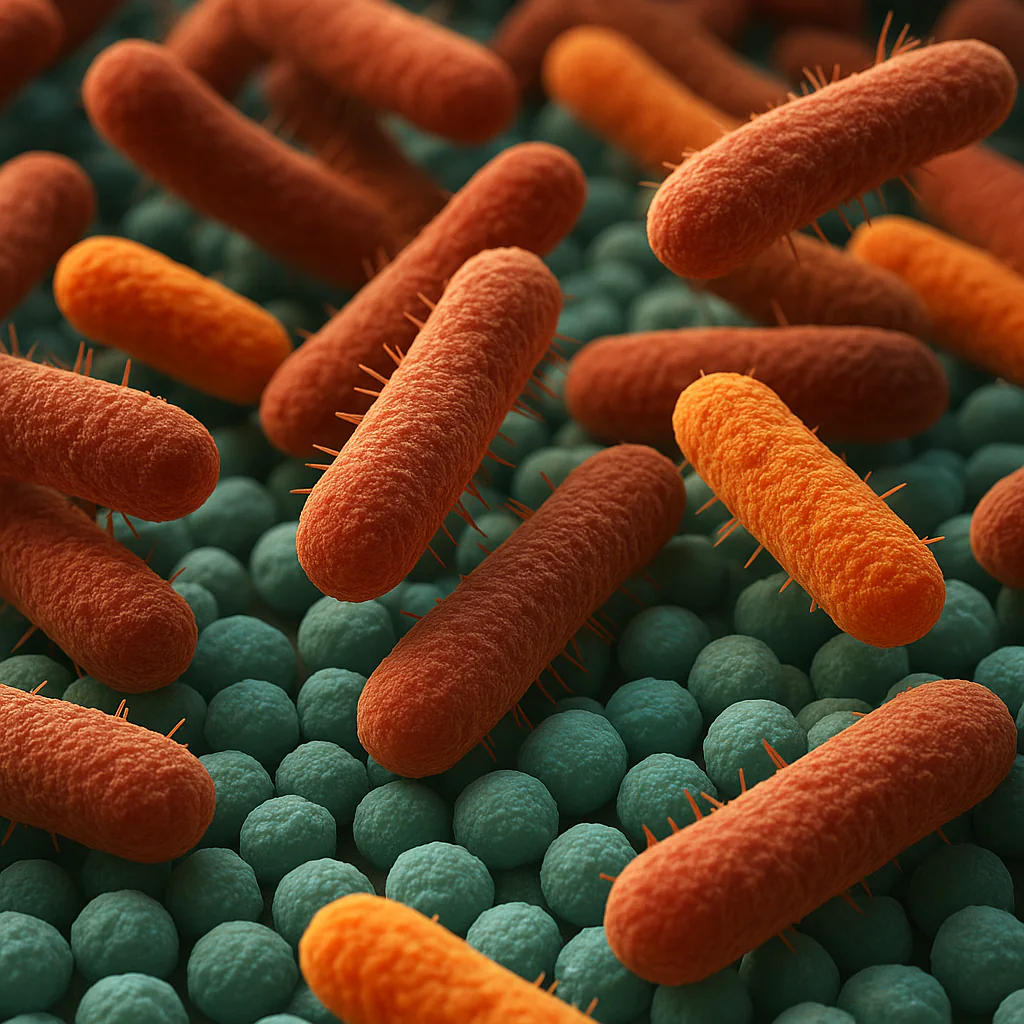
This blog compares Bacteroides uniformis to other key members of the Bacteroidetes phylum. While they share many traits, their genetic profiles, functions in metabolism, and impact on inflammation differ in ways worth exploring.
What Makes the Bacteroidetes Phylum Important?
Members of the Bacteroidetes phylum make up a large portion of the human gut microbiome. These Gram-negative microbes tend to live in the colon, where they help break down complex polysaccharides like dietary fiber into short-chain fatty acids. These acids help fuel colon cells and may help manage gut inflammation. Most of these microbes belong to the genus Bacteroides, which includes many commensal organisms that coexist peacefully with their host.
In healthy individuals, the relative abundance of Bacteroidetes stays stable, but changes in this group often correlate with shifts in diet or disease states, especially inflammatory bowel disease and ulcerative colitis.
Where Does Bacteroides uniformis Fit In?
Bacteroides uniformis stands out among intestinal Bacteroides species due to its strong ability to digest specific types of dietary fiber and its possible role in immune regulation. Scientists have studied it in detail using genome sequencing, showing a rich set of genes that help it adapt to various food sources and microbial environments.
In mouse studies, B. uniformis lowered inflammation and improved metabolic outcomes, including blood glucose levels and cholesterol. It did this while maintaining healthy levels of gut microbial diversity, even after challenges like a high-fat diet.
What sets B. uniformis apart is its possession of a high number of polysaccharide utilization loci, which are genetic regions that help it digest complex plant fibers. These loci include genes encoding enzymes that break down otherwise indigestible carbohydrates, creating beneficial byproducts for both the host and other gut microbes.
Genetic Profile and Enzyme Activity
The genome of B. uniformis shows a high degree of specialization in processing complex polysaccharides found in fruits, vegetables, and even seaweed. These abilities come from its large number of glycoside hydrolase enzymes, which help release sugars from plant fibers.
Other Bacteroides species, such as B. thetaiotaomicron and B. ovatus, also show high fiber-degrading capacity. However, B. uniformis uses a more defined set of enzymes that help it dominate in certain intestinal microbiota environments where these fibers are abundant.
Meanwhile, Bacteroides vulgatus shows mixed results when it comes to gut health. Some studies suggest it supports digestion, but others link it to mild inflammatory disease under certain conditions. These variations highlight how species in the gut can play helpful or harmful roles depending on many factors, including gene expression and diet.
Role in Immune Response
B. uniformis may help regulate the immune response in the human colon by promoting anti-inflammatory pathways. In studies with rodents, this species lowered markers of gut inflammation, especially in models mimicking ulcerative colitis. These effects included:
– Increase in regulatory T cells
– Reduced pro-inflammatory cytokines
– Balance in macrophage populations
Although most evidence comes from mouse models, the outcomes suggest that B. uniformis may contribute to reducing intestinal irritation in specific conditions.
Other members of the Bacteroides fragilis group also influence the immune system. For example, enterotoxigenic Bacteroides fragilis strains can produce a toxin that affects the intestinal lining and may lead to chronic inflammation. Still, some non-toxigenic B. fragilis strains produce molecules that help calm immune responses, which highlights the diverse behavior of this bacterial group.
Diet and the Rise of Certain Species
B. uniformis thrives in diets high in dietary fiber, especially those with soluble plant fibers and seaweed-derived polysaccharides. Western-style diets low in fiber tend to reduce its population, while increasing the abundance of other species like B. vulgatus or certain Firmicutes.
Other species like B. thetaiotaomicron shift gene expression based on what the host eats. This flexibility makes it one of the most adaptable Bacteroides spp, capable of responding quickly to changes in carbohydrate types and availability.
Studies using 16S rRNA gene sequencing often show that diets rich in complex carbs increase the relative abundance of Bacteroidetes species, including B. uniformis, B. ovatus, and B. acidifaciens. This suggests that these microbes play a role in mediating the health effects of diet.
Impact on Metabolism
Some bacterial species within the Bacteroidetes group show links to host metabolism. In mice, B. uniformis appears to support lower fat storage, improved glucose processing, and better insulin sensitivity. Its role in producing short-chain fatty acids may influence these outcomes, especially by improving communication between the gut and the liver.
In contrast, B. fragilis group organisms display mixed effects. Some may help with glucose metabolism, while others appear during states of metabolic stress or high inflammation.
Certain gut Bacteroides species, like B. caccae or B. stercoris, appear more often in people with imbalanced fecal microbiota or those taking antibiotics. These species may help recolonize the gut after disruption, but their long-term effects on human health remain under study.
Molecular Tools and Microbial Interaction
Modern research uses 16S rRNA, gene expression, and molecular techniques to study these bacteria. One feature under investigation is the type VI secretion system, which helps bacteria interact with each other and sometimes with host cells. This system may influence how B. uniformis and its relatives compete or cooperate inside the gut.
Though these bacteria act as part of a larger ecosystem, some can induce unwanted effects under certain conditions. For example, high relative abundance of Bacteroidetes during early childhood may impact immune development, though findings are not yet conclusive.
Conclusion of Bacteroides Uniformis vs other Bacteroides
Bacteroides uniformis offers unique functions within the genus Bacteroides. It stands out for its ability to digest specific fibers, its potential to support the intestinal immune response, and its connection to stable metabolic outcomes in research models. Its genome shows a strong set of gene encoding tools designed to help it process fibers into useful byproducts like fatty acids, making it a valuable member of the human gut microbiota.
While many Bacteroidetes species components overlap in function, each one brings different tools to the table. These differences come down to genetics, enzyme profiles, interaction with the host, and diet.
More research is still needed, especially in humans. Still, understanding how specific Bacteroidetes species behave gives us better insight into how the human gut stays healthy, adapts to diet, and responds to change. As scientists continue to map out the microbial structure of the gut using full genome sequences, Bacteroides uniformis remains a strong candidate for further exploration.