
Future Forecast: Genomic Insights and Next-Gen Therapies Using Bacteroides uniformis
Interest in gut health continues to rise as scientists uncover new ways to use gut bacteria in modern therapies. Among the many bacteria that live in the human digestive system, Bacteroides uniformis stands out for its unique ability to influence both immunity and metabolism. Ongoing research now focuses on its use in treating chronic illnesses linked to inflammation, diet, and gut dysfunction.
What Makes Bacteroides uniformis Different?
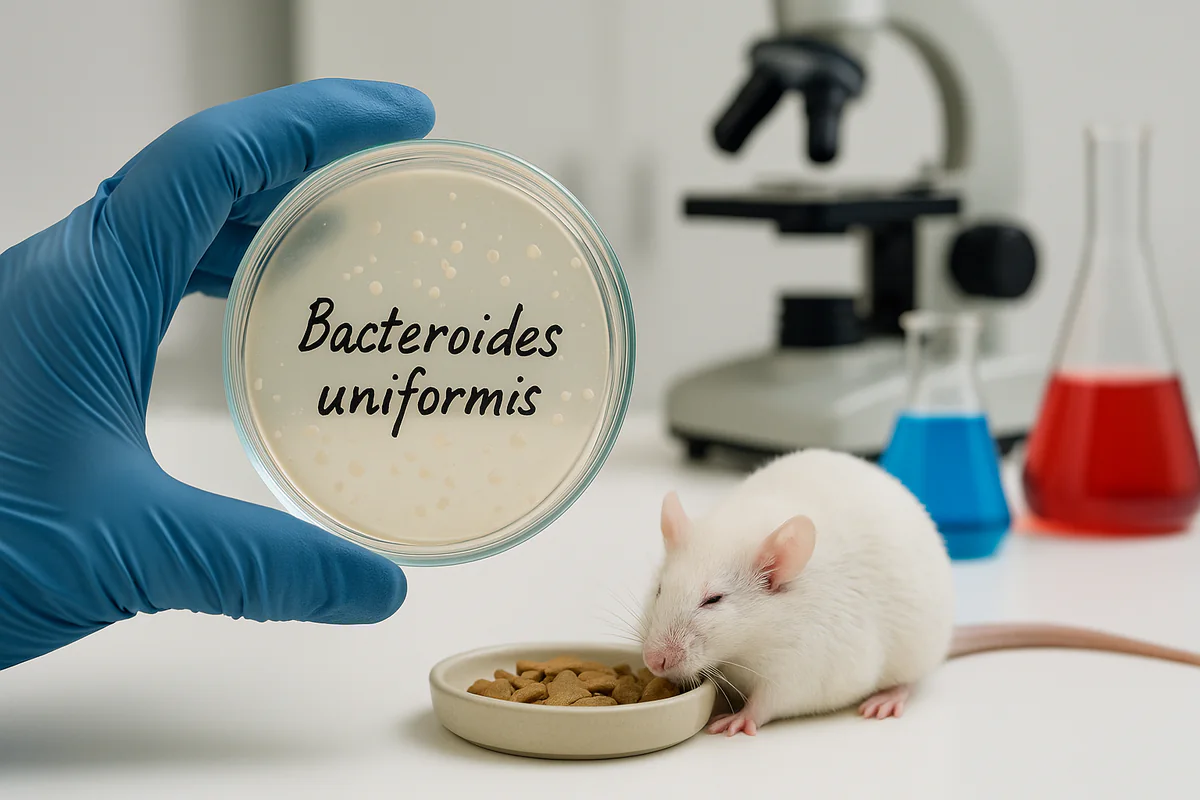
This bacterium plays a key role in shaping the gut microbiota. It breaks down dietary fiber, produces short-chain fatty acids, and helps maintain balance in the intestinal microbial community. Its presence in both healthy and diseased subjects suggests it may hold a protective role.
In early studies involving mice and human samples, researchers observed how Bacteroides uniformis influenced the host’s immune cell activity, reduced intestinal inflammation, and improved metabolic markers. One study reported that its introduction to a group of mice led to reduced body weight and better glucose tolerance after following a high fat diet.
Genomic Advances Fuel Future Therapies
Gene sequencing gave researchers a closer look at how this bacterium behaves in different environments. By studying the bacterium Bacteroides thetaiotaomicron alongside Bacteroides uniformis, scientists noticed gene similarities that regulate sugar metabolism, lipid breakdown, and immune defense.
Uniformis and the Gut Barrier
The uniformis in vitro experiments showed strong interactions between intestinal epithelial cells and the bacterial strain. These cells form a barrier between the gut and the bloodstream. Healthy interaction reduces risk of inflammation and infection, which matters in conditions like ulcerative colitis.
Using Bacteroides uniformis in Metabolic Therapy
Several trials now test its ability to ameliorate diet-related metabolic issues. In one animal model involving obese mice, researchers observed that uniformis administration reduced fat mass and improved glucose control. These results inspired more studies into how it affects the hepatic immune system, where metabolic stress often begins.
The data also revealed how short-chain fatty acids produced by this bacterium help regulate hunger signals, insulin sensitivity, and fat storage. In some models, these acids helped inhibit inflammatory markers linked to Type 2 diabetes.
Immune System Applications
Aside from its metabolic benefits, Bacteroides uniformis affects the body’s immune response. The effects of Bacteroides vary depending on the host, but some strains stimulate regulatory T-cells, which play a role in calming autoimmune reactions. This mechanism supports studies targeting dss-induced colitis and similar conditions.
Impact of DSS Treatment Models
When tested in models of dss treatment, the bacterium helped reduce symptoms of gut inflammation. Scientists noted a visible difference in gut lining recovery compared to the control group.
Gut Microbiome Research in Action
To better understand how this bacterium interacts with its environment, researchers perform metagenomic profiling using software like QIIME. This allows them to analyze shifts in the gut microbiota in mice after introducing uniformis JCM or other strains.
These analyses revealed that diet induced changes in microbiota could shift the abundance of Bacteroides and other important groups like Bifidobacteria. One study even focused on the pairing of Bacteroides uniformis and Bifidobacterium bifidum to explore dual-strain therapy.
In the safety assessment of Bacteroides uniformis, scientists measured potential risks in host reactions. They looked at the impact of bile acids, intestinal permeability, and the interaction with the human gut microbiome.
Human Applications Still in Development
While early data looks promising, most trials still involve mice. Translating these effects to humans requires more clinical studies. In the meantime, researchers monitor the correlation between Bacteroides populations and common gut-related illnesses.
The assessment of Bacteroides uniformis CECT strain continues in both animal and human models. Some labs now work to isolate strains that work best in diverse human populations, especially those with disrupted gut microbiota.
Bacteria as Future Medicine
Several companies explore microbial therapy to manage or even prevent chronic illness. While fecal microbiota transplants remain popular, they carry risks. The goal now is to isolate helpful strains like Bacteroides caccae, Bacteroides ovatus, Bacteroides dorei, and Bacteroides eggerthii, then deliver them in more controlled forms.
This shift in focus could lead to safe, targeted bacterial products that support digestion, reduce inflammation, and improve immunity. As scientists continue the discovery of Bacteroides species and study their unique properties, the outlook for personalized microbial therapy becomes clearer.
One of the most interesting outcomes in this field involves how diet restriction and microbial-based therapies may work together. Researchers propose using specific bacteria to mimic some benefits of fasting or low-calorie diets without requiring extreme food changes.
Genomics Pushes Microbiome Research Forward
Genome sequencing helps identify which bacterium Bacteroides strains offer therapeutic value. It also helps weed out potentially harmful strains that may trigger unexpected reactions. For instance, the impact of Bacteroides on intestinal microbiota changes depending on the host’s condition and other microbes present.
As interest in the fecal Bacteroides signature grows, scientists now study how it reflects disease risk, dietary response, and recovery potential. Understanding this could open new ways to track patient health and apply microbial-based therapy more accurately.
Conclusion
The future of medicine may lean more on microbes than molecules. As commensal Bacteroides species like Bacteroides uniformis continue to show promise in metabolic control, immune regulation, and gut repair, science moves closer to applying them in real-world treatment. The process remains ongoing, but the groundwork laid by animal models and genomic profiling will shape how these bacteria are used.
Safe delivery, precise dosing, and personalized treatment plans will define this next phase. Whether it supports the gut lining, aids digestion, or reduces systemic inflammation, Bacteroides species are now a serious focus for clinical and biotech research.
FAQs on Bacteroides uniformis and Its Therapeutic Potential
How does Bacteroides uniformis affect obese mice?
Studies show that Bacteroides uniformis may help reduce fat mass and improve insulin sensitivity in obese mice fed a high fat diet. Researchers observed lower body weight and improved metabolic markers after supplementation.
Can Bacteroides uniformis ameliorate inflammation?
Yes, animal models suggest that it may help ameliorate inflammation in the gut by strengthening the intestinal lining and regulating immune cell responses.
What’s the connection between Bacteroides uniformis and bile acid metabolism?
This bacterium may influence bile acid composition, which in turn helps regulate fat digestion, inflammation, and microbial balance in the gut.
Does it improve glucose tolerance?
Research in mice suggests that Bacteroides uniformis may support better glucose tolerance by reducing insulin resistance and balancing gut microbiota.