
Prebiotics That Feed Bacteroides uniformis (and How to Work Them Into Meals)
Feeding your gut right starts with what you eat. Bacteroides uniformis plays a vital role in supporting your gut microbiome, including helping break down fibers and influencing metabolism. Prebiotic foods provide the natural substrate that B. uniformis and other gut microbes need. They encourage its growth, support gut microbial diversity, and produce beneficial compounds.
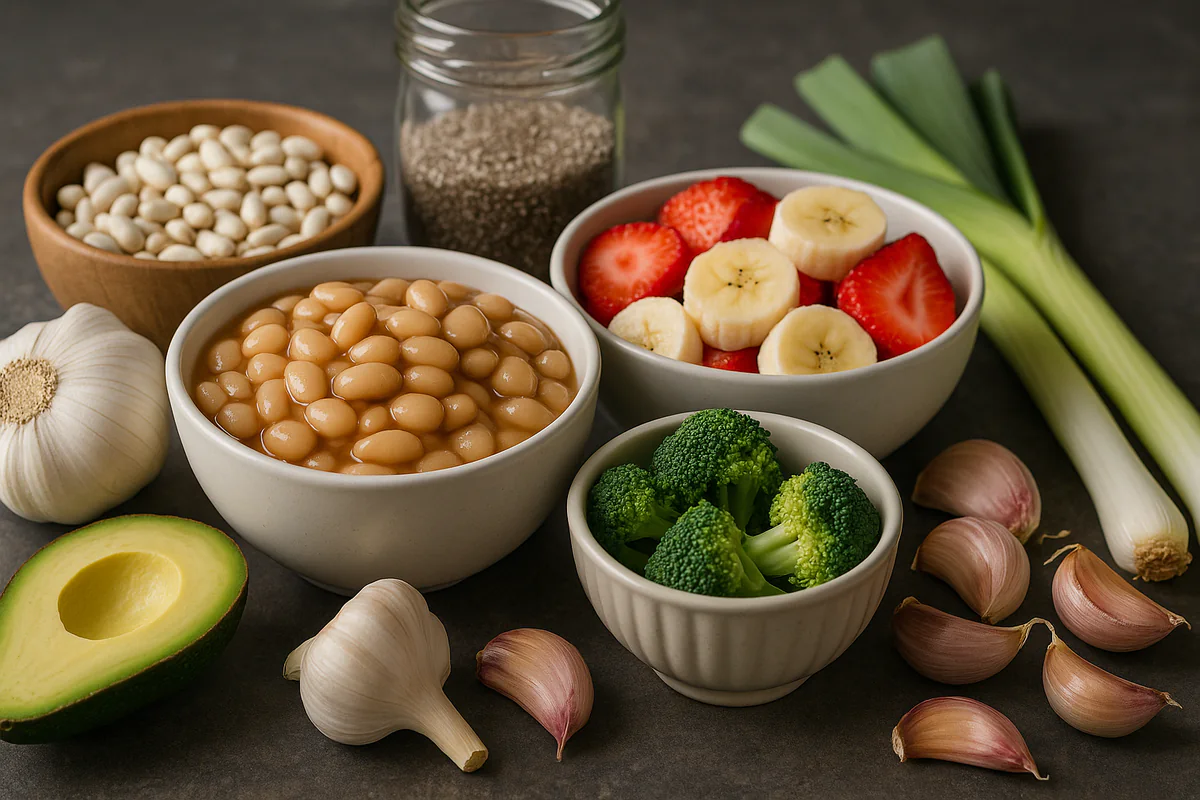
Here’s a guide to prebiotics that feed Bacteroides uniformis, with meal ideas and tips to support your gut health naturally.
Why Prebiotics Matter
Prebiotics are fibers or complex carbohydrates that resist digestion in the upper gastrointestinal tract. They reach the colon intact, where gut bacteria ferment them into short‑chain fatty acids (SCFAs)-key nutrients for intestinal cells. Feeding a combination of prebiotics and probiotics can boost gut biodiversity and function. This synergy supports beneficial bacteria like Bifidobacteria and Bacteroides spp.
How Prebiotics Support Bacteroides uniformis
Bacteroides uniformis thrives when it gets complex polysaccharides that other gut bacteria cannot break down. This bacterium belongs to a group of bacteroides species notable for their enzyme systems that cleave fiber into simpler sugars. Prebiotic fibers-like inulin, resistant starch, and fructooligosaccharides-act as a direct energy source, increasing B. uniformis abundance in colonic environments.
In mouse studies, prebiotic supplementation led to a rise in B. uniformis levels. Those increases linked to improvements in metabolism, weight management, and reduced inflammation markers.
Top Prebiotic Foods for Bacteroides uniformis
1. Chicory and Jerusalem Artichoke
These root vegetables contain high levels of inulin, a prebiotic fiber shown to promote growth of Bacteroides thetaiotaomicron and related gut bacteria. Add thin slices to salads, sauté them as side dishes, or roast them until crispy.
2. Garlic, Onion, and Leek
These aromatic vegetables provide fructooligosaccharides that support a healthy human gut microbiota. Use them freely in soups, stir‑fries, and dressings to boost flavor and gut health.
3. Whole Grains and Barley
Whole grains contain beta‑glucans, which sustain microbial communities like B. uniformis. Barley makes a hearty risotto or a side grain bowl that supports microbial diversity.
4. Legumes
Beans, lentils, and peas deliver resistant starch and galacto‑oligosaccharides. They work with gut microbes to improve colonic fermentation and provide prebiotic effect.
5. Green Banana and Cooked & Cooled Rice
These foods contain resistant starch, which increases production of short‑chain fatty acids. Use in smoothies or sushi bowls to help nourish gut bacteria.
Simple Meal Ideas to Boost Bacteroides uniformis
Breakfast:
Barley porridge with diced garlic‑leek sautéed apples offers fiber and prebiotic power.
Lunch:
Chickpea and lentil salad mixed with raw onion, parsley, and olive oil makes a nutrient‑dense meal.
Snack:
Oven‑roasted Jerusalem artichoke slices with sea salt and rosemary create a crunchy, gut‑friendly treat.
Dinner:
Whole grain pasta with a garlic and leek sauce served alongside steamed asparagus and a bean-based side dish provides balanced nourishment.
Benefits You May Notice
- Increased fecal microbiota diversity
- Enhanced short‑chain fatty acid levels to support gut lining and immunity
- Better metabolic markers, including insulin sensitivity
- Soother digestion and less bloating
- Contributors to a healthier human gut bacteria profile
Supporting Bacteroides uniformis Safely
Start slow to avoid digestive discomfort. Increase prebiotic foods over two to four weeks. Drink plenty of water and combine prebiotics with general healthy eating. Whole‑food sources offer nutrients, antioxidants, and minerals, making them better than supplements alone.
Future Research and Human Studies
Current human studies using 16S rRNA gene‑based microbiota composition tests show that prebiotic fibers can support gut microbial richness and human gut microbial stability. Trials exploring Bacteroides uniformis CECT 7771 supplement effects remain underway. Early animal results look promising, but well‑controlled human trials will provide clearer insights.
Final Thoughts
Prebiotics offer a natural way to support Bacteroides uniformis growth and contribute to a healthy gut ecosystem. Whole‑food ingredients like garlic, legumes, and green bananas work well in everyday meals and help promote metabolic and digestive health. Focus on variety and consistency. Your gut microbiome will likely respond-not just to one prebiotic, but to the seasonal blend of fibers that create a balanced, resilient intestinal microbiota.
FAQs About Prebiotics and Bacteroides uniformis
What makes Bacteroides uniformis a promising probiotic?
Bacteroides uniformis is considered a safe and novel probiotic bacterium due to its unique ability to digest complex polysaccharides and thrive in the human colon. Some human studies have explored its potential benefits for metabolism and inflammation, though it is not yet widely used like more common probiotics.
Can prebiotics support the growth of other Bacteroides species?
Yes, prebiotics not only nourish Bacteroides uniformis, but also help Bacteroides vulgatus, Bacteroides ovatus, and Bacteroides fragilis thrive. These bacterial species often interact with dietary fibers in ways that improve the overall composition of the gut microbiota.
How do Bacteroides-related bacteria affect inflammatory conditions?
Studies have looked into the potential role of Bacteroides spp and Bacteroides dorei in easing inflammatory bowel disease and ulcerative colitis. Though results vary, some findings suggest that increasing the relative abundance of bacteroides may help reduce intestinal inflammation.
What kind of prebiotics increase Bacteroides uniformis abundance?
Fibers found in chicory root, garlic, and green bananas have shown the ability to increase the abundance of Bacteroides in the colonic microbiota. These food ingredients act as fuel for gut bacteria and promote the growth of bacteroides.
What’s the link between Bacteroides and exercise?
Some mouse trials indicate endurance exercise performance in mice may improve with a better gut microbiota composition, particularly when functional food or prebiotic intake leads to more active gut bacteroides strains.
Are there risks associated with Bacteroides?
While commensal bacteroides species typically benefit the host, imbalances can happen. Certain strains like Bacteroides fragilis have links to inflammation under specific conditions. That’s why safety assessment of Bacteroides uniformis and other bacteria in the intestinal microbiota remains a research priority.
Can Bacteroides uniformis be used to treat gut conditions?
Researchers have investigated the probiotic bacterium for the treatment of patients with ulcerative colitis, showing promise in animal models. However, its use in humans is still limited to experimental settings under controlled studies.