
Safety First: Risks, Regulations, and Contraindications Around Bacteroides uniformis Supplements
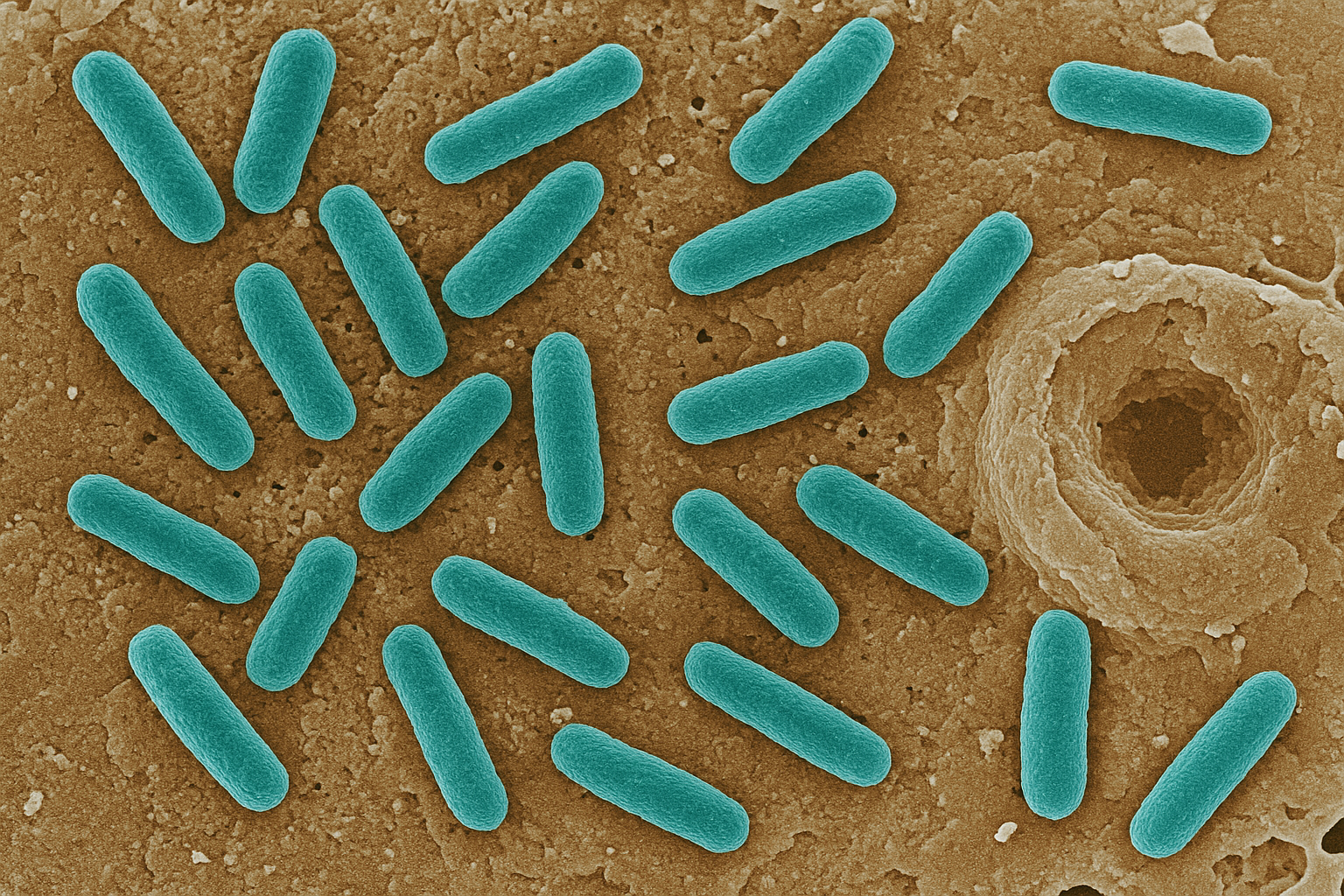
Bacteroides uniformis has gained attention for its potential role in supporting gut health, metabolism, and inflammation control. Several studies have shown positive effects in animal models, leading to rising interest in probiotic supplements featuring this bacterial species. Before including B. uniformis in any wellness plan, it’s essential to evaluate the risks, understand regulatory gaps, and consider who may benefit or be at risk.
Understanding Bacteroides uniformis and Its Role
Bacteroides uniformis is part of the broader group known as Bacteroides spp. These organisms live in the gastrointestinal tract and play an important role in breaking down dietary fiber, supporting short-chain fatty acid production, and influencing immune response. Like other members of the Bacteroides genus, this strain belongs to the human gut microbiota and is often considered commensal.
One specific strain, Bacteroides uniformis CECT 7771, has been studied for its ability to support metabolic balance in mice exposed to a high-fat diet. Researchers observed improvements in gut microbial composition and a potential reduction in markers associated with metabolic risk.
Current Regulatory Status
In the United States, probiotics are regulated as dietary supplements. The Food and Drug Administration does not approve probiotic bacteria like drugs, meaning products do not require proof of effectiveness. As of now, Bacteroides uniformis has not been granted GRAS (Generally Recognized as Safe) status, and its use in commercial formulations remains limited.
Europe follows its own process through the European Food Safety Authority. The strain has not received Qualified Presumption of Safety, so any use in supplements would require case-by-case evaluation.
The National Institutes of Health continues to support microbiome studies, but human trials for B. uniformis supplements are still in early stages.
Who Should Avoid These Supplements?
Patients with Ulcerative Colitis
Although some isolates of Bacteroides have been associated with improvements in inflammation, others may contribute to flare-ups in patients with ulcerative colitis. Alteration of gut microbial ecology during active inflammation may increase susceptibility to adverse effects.
Immunocompromised Individuals
Bacterial strains that seem harmless in healthy adults could become problematic in people with weakened immune systems. Without proper control, gut bacteria might translocate beyond the intestinal tract.
Pregnant Women and Children
Due to limited human data, probiotic use involving Bacteroides types in pregnant individuals and children remains untested. Healthcare providers generally recommend avoiding newer probiotic formulations in these groups until more is known.
People With a History of Colorectal Cancer
Although no direct link has been confirmed between Bacteroides uniformis and cancer, the role of Bacteroides in health and disease is still under study. Some Bacteroides fragilis group isolates, including enterotoxigenic strains, have been studied for their presence in colorectal cancer samples.
Risks and Safety Concerns
Lack of Human Data
Most of the research supporting Bacteroides uniformis has been conducted in animal models. One key study observed that Bacteroides uniformis-induced perturbations in colonic metabolism affected bile acid profiles, but this was not validated in humans.
Potential for Dysbiosis
Even probiotic strains may disrupt gut microbial communities if used excessively or in the wrong context. Overuse may inhibit the growth of beneficial gut microbes and alter the balance of the intestinal microbiota.
Variation in Strain Activity
Different strains of Bacteroides uniformis or other Bacteroides species may behave in different ways. Strain-specific effects mean that one product may offer benefits while another produces no effect or even negative outcomes. The presence of Bacteroides vulgatus, for example, has shown contrasting results depending on host context.
Contamination and Quality Control
Manufacturing challenges are common with anaerobic bacteria. Without proper quality controls, contamination with unintended bacterial species or unstable shelf life may occur.
Manufacturing and Labeling Limitations
Most current products that include Bacteroides species do not provide full strain identification or colony-forming unit (CFU) counts. This lack of transparency makes it difficult to assess efficacy or risks.
Because 16S rRNA gene sequencing is often required to identify specific Bacteroides strains, manufacturers without genomic tools may not know exactly what they’re selling. The cell surface of Bacteroides strains can vary between isolates, influencing immune interaction and safety.
Should You Take a Bacteroides uniformis Supplement?
You should consult a medical professional before trying any new probiotic containing Bacteroides uniformis. If you decide to try it, look for clear labeling, documented strain info, and third-party verification. Probiotic effects are highly individualized, and what works for one person may not suit another.
Natural Ways to Support Bacteroides uniformis
Instead of supplements, many people choose to support the relative abundance of Bacteroides uniformis naturally through diet. Studies suggest that diets high in soluble fiber promote the growth of Bacteroides species adaptively. Foods that support this process include oats, beans, and root vegetables.
By improving dietary intake, you can positively influence gut microbiota composition and support gut microbial balance. Many Bacteroides types increase in response to prebiotics found in whole foods. This approach promotes microbial stability without the risks linked to untested probiotics.
Summary of Considerations
- Probiotic bacteria like Bacteroides uniformis offer promise but remain unapproved in many regions
- Safety assessment is ongoing, especially for groups at risk
- Stool testing before and after use may help monitor gut microbiota changes
- Interaction between the gut microbiota and new strains may trigger unexpected responses
- Activity of Bacteroides strains depends on host condition, dosage, and diet
Final Thoughts
The gut microbiome influences a wide range of processes in the human body, from immune response to amino acid metabolism. As interest grows in new probiotic options, it’s important to weigh the benefits and risks of using bacterial supplements like Bacteroides uniformis.
Without standardized safety assessment of Bacteroides uniformis CECT 7771 in humans, the best approach remains cautious. Focus on fiber-rich foods, support gut microbial balance naturally, and stay informed as new data becomes available. A healthy human microbiome depends on balance, not on single-species domination.
FAQs About Bacteroides uniformis Safety and Research
What is the relationship between Bacteroides and Bifidobacterium?
Bacteroides and Bifidobacterium are both common genera found in the human gut, but they serve different functions. Bifidobacterium strains are often used in commercial probiotics, while Bacteroides species, including Bacteroides uniformis, play a larger role in breaking down complex carbohydrates and supporting fat metabolism. Their coexistence helps maintain microbial balance in the colon.
Has any research looked into the effects of Bacteroides in isolation?
Yes. Some studies have tested the impact of a single Bacteroides strain on gut health outcomes. However, results often depend on the host’s baseline microbiota and diet. The use of a single Bacteroides species without context may limit benefits or even produce unpredictable results in some individuals.
What is the Bacteroides fragilis pathogenicity island?
The Bacteroides fragilis pathogenicity island refers to a segment of DNA found in some enterotoxigenic strains. This genetic element carries virulence factors that may contribute to inflammation and disease under specific conditions. Its presence in the gut has been studied for its possible role in inflammatory bowel flare-ups and colorectal cancer development.
Are Bacteroides supplements grown on specialized media?
In laboratory settings, strains like Bacteroides uniformis may be cultured on selective media such as Bacteroides bile esculin agar. This medium helps researchers identify and isolate specific Bacteroides species from stool samples or clinical isolates.